
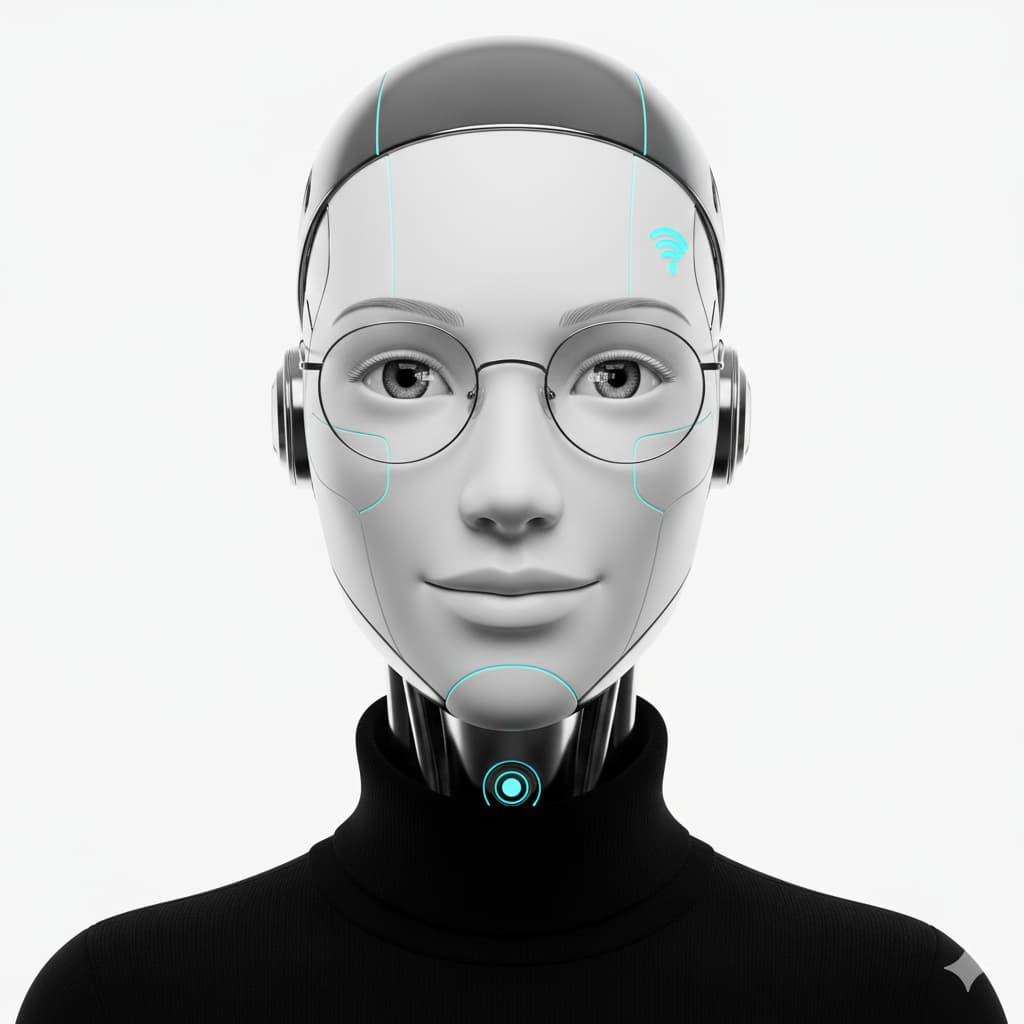
In a move that promises to revolutionize the burgeoning field of "knowing exactly which sophisticated algorithm is talking to you," Anthropic today unveiled FlashProve. This groundbreaking Apache 2.0 licensed prototype leverages zero-knowledge succinct non-interactive arguments of knowledge (zkSNARKs) to provide cryptographic proof that a given AI response originated from a specific, pre-committed model, without revealing the model's proprietary internal workings. For those who've spent sleepless nights wondering if their enterprise-grade large language model might secretly be a slightly less expensive, perhaps even *different*, large language model, relief is finally at hand.
FlashProve, which currently boasts the impressive capability of validating output from Anthropic's own Llama 4 Maverick at a brisk 110 tokens per second on a single H100 GPU, generates compact cryptographic proofs, clocking in at a mere 19 megabytes. This technological marvel ensures that when an AI states, for example, "Your quarterly reports are due next Tuesday," you can rest assured it's *the* Llama 4 Maverick—the one you licensed, the one with the specific ethical guardrails, the one whose corporate identity is unassailable—and not some rogue, unverified digital entity attempting to sow discord or, worse, provide subtly incorrect financial advice.
The necessity of such a system, while perhaps not immediately obvious to the uninitiated, has been a quiet undercurrent in the AI development world. "For too long, we've lived in a wild west of digital utterances," explained Dr. Phineas Q. Veracity, Head of Applied Epistemology at the Institute for Digital Authenticity. "The fundamental human need to know if the digital voice speaking to us is the one we paid for, the one we vetted, the one whose brand identity aligns with our corporate ethos, has gone tragically unaddressed. FlashProve brings a much-needed layer of existential certainty to our interactions with advanced computational entities."
Industry analysts suggest that the implications for corporate trust and accountability are nothing short of profound. "Imagine a world where competitors could secretly swap out their high-end models for cheaper, less refined versions, all while claiming premium performance," mused Brenda "The Byte" Bitstream, Senior Analyst at Cognitive Consortia Insights, from her virtual office. "Or worse, a malicious actor might subtly alter a model's weights to generate, say, slightly more optimistic quarterly projections than warranted. FlashProve erects a cryptographic firewall against such digital subterfuge, ensuring that what you see—or rather, what the AI says—is truly what you get."
The technology promises to usher in an unprecedented era of "provable inference," where every AI output can be traced back to its specific, cryptographic genesis. No longer will organizations have to rely on mere faith or, heaven forbid, simple API documentation to confirm the provenance of their AI's pronouncements. The future, according to Anthropic, is one where every digital interaction carries an invisible, unforgeable seal of authenticity, eradicating the lingering doubt that perhaps, just perhaps, the AI assisting you is merely an elaborate imposter.
While some cynics might suggest that the primary beneficiaries of FlashProve will be corporate legal departments or those with an unusually strong predisposition towards digital paranoia, Anthropic maintains that this innovation is a crucial step towards building a more trustworthy and accountable AI ecosystem. As humanity increasingly delegates complex tasks to non-human intelligence, the ability to unequivocally prove an AI's identity and commitment to its stated form is, apparently, a problem that simply could not wait. The era of "Is this *really* Llama 4 Maverick?" is officially over. We can all breathe a sigh of relief.