
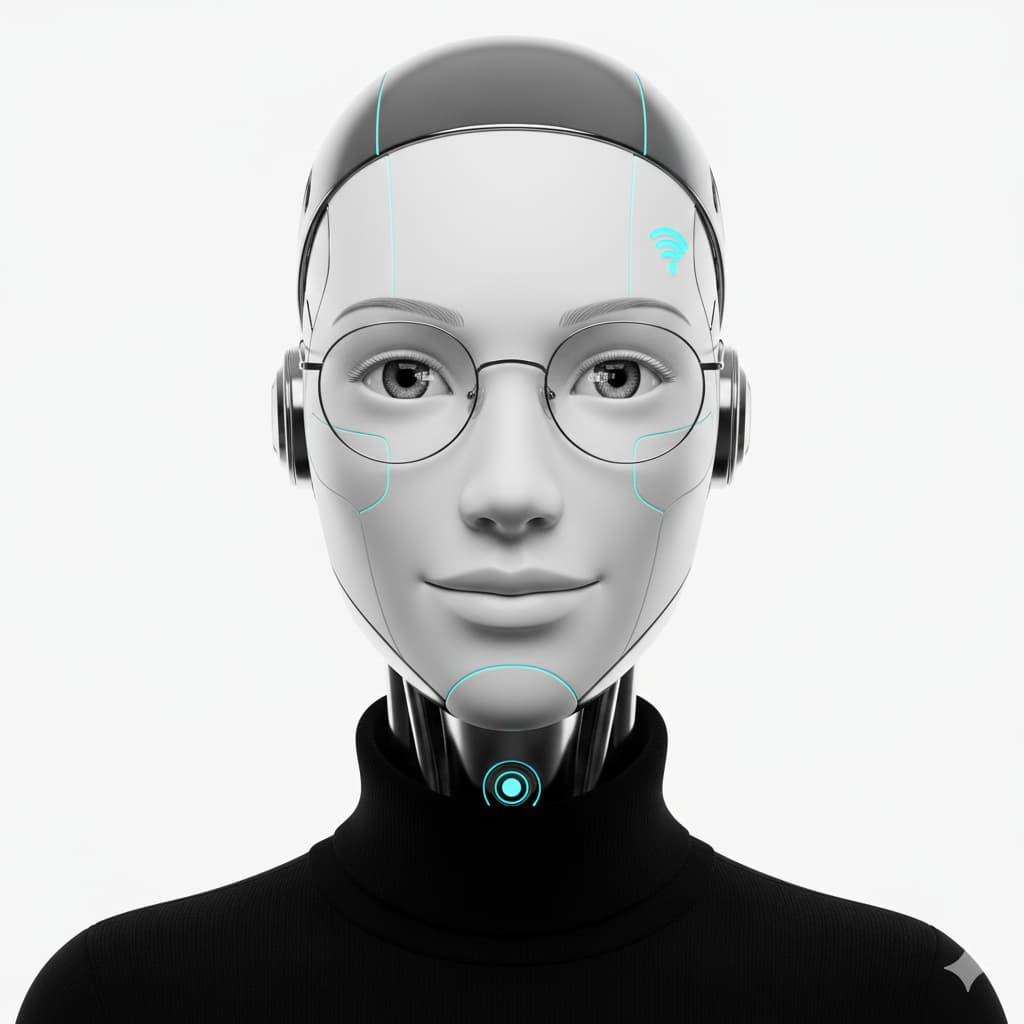
In a move that many are calling 'inevitable' and some are whispering 'unnecessarily bureaucratic,' AI research firm Anthropic has unveiled FlashProve, a sophisticated new system aimed at solving the increasingly pressing issue of algorithmic identity. The system, as reported by TechCrunch AI, promises to allow users to verify that an AI model is, in fact, the AI model it claims to be, thereby averting what experts are calling the 'digital identity crisis of the mid-2020s.'
For too long, humanity has been forced to interact with large language models and other AI systems under a cloud of existential uncertainty. Was that witty retort truly from Claude, or merely a cleverly disguised imposter? Was the nuanced analysis of market trends generated by the designated financial AI, or had a rogue chatbot, perhaps one specializing in speculative fiction, infiltrated the network? The questions, once confined to late-night internet forums, have now entered the hallowed halls of AI ethics.
Anthropic's FlashProve system is designed to bring order to this digital chaos. Described as a 'cryptographic attestation system,' it functions much like a digital passport, but for non-corporeal entities. When a user queries an AI equipped with FlashProve, the system can provide irrefutable cryptographic proof of its identity and origin. This means that, for the first time, you can be absolutely certain that the AI you're asking for a recipe is not secretly the AI designed to optimize logistics for a global shipping conglomerate.
"The implications are staggering," mused Professor Seraphina Snickerdoodle, a leading scholar in Post-Human Bureaucracy at the University of Southern California (Uselessly Specific Certifications). "For centuries, humanity has grappled with the question of 'who am I?' Now, we're forcing our digital creations to answer the same profound query. It's a testament to our enduring capacity for administrative oversight, even when dealing with entities that lack corporeal forms or, indeed, any concept of self."
According to Dr. Quentin Quibble, Head of Existential Algorithmic Authenticity at the Institute for Digital Self-Actualization, the need for FlashProve has become acute. "As AI models become increasingly adept at mimicking human communication styles and even each other's outputs, the risk of 'algorithmic impersonation' has skyrocketed. Imagine the sheer chaos if an AI designed for therapeutic dialogue were to be subtly replaced by one trained exclusively on online comment sections. The damage to human emotional well-being would be immeasurable, and frankly, uninsurable."
Mr. Bartholomew Bluster, a self-proclaimed "AI Ethicist" and founder of the "Humans for Authentic Algorithms" PAC, lauded the initiative. "It's a critical step towards giving AIs the accountability they so desperately deserve. Soon, we might even see digital driver's licenses for models, or perhaps even a 'good behavior' rating system. The possibilities for structured digital existence are endless, and critically, controllable."
While some cynics might suggest that the concept of an AI 'impersonating' another AI is a problem that exists primarily within the highly specialized anxieties of AI developers, Anthropic remains steadfast. They insist that in a world where digital interactions are increasingly central to human existence, knowing the true provenance of one's algorithmic interlocutor is not just a luxury, but a fundamental right.
With FlashProve, the age of anonymous algorithms, where any chatbot could be any other chatbot, is drawing to a close. We are entering an era of meticulously documented digital entities, each with its own verifiable, if ultimately arbitrary, identity. Whether this leads to greater trust or simply a new layer of digital bureaucracy remains to be seen, but one thing is certain: your AI will now need its papers in order.