
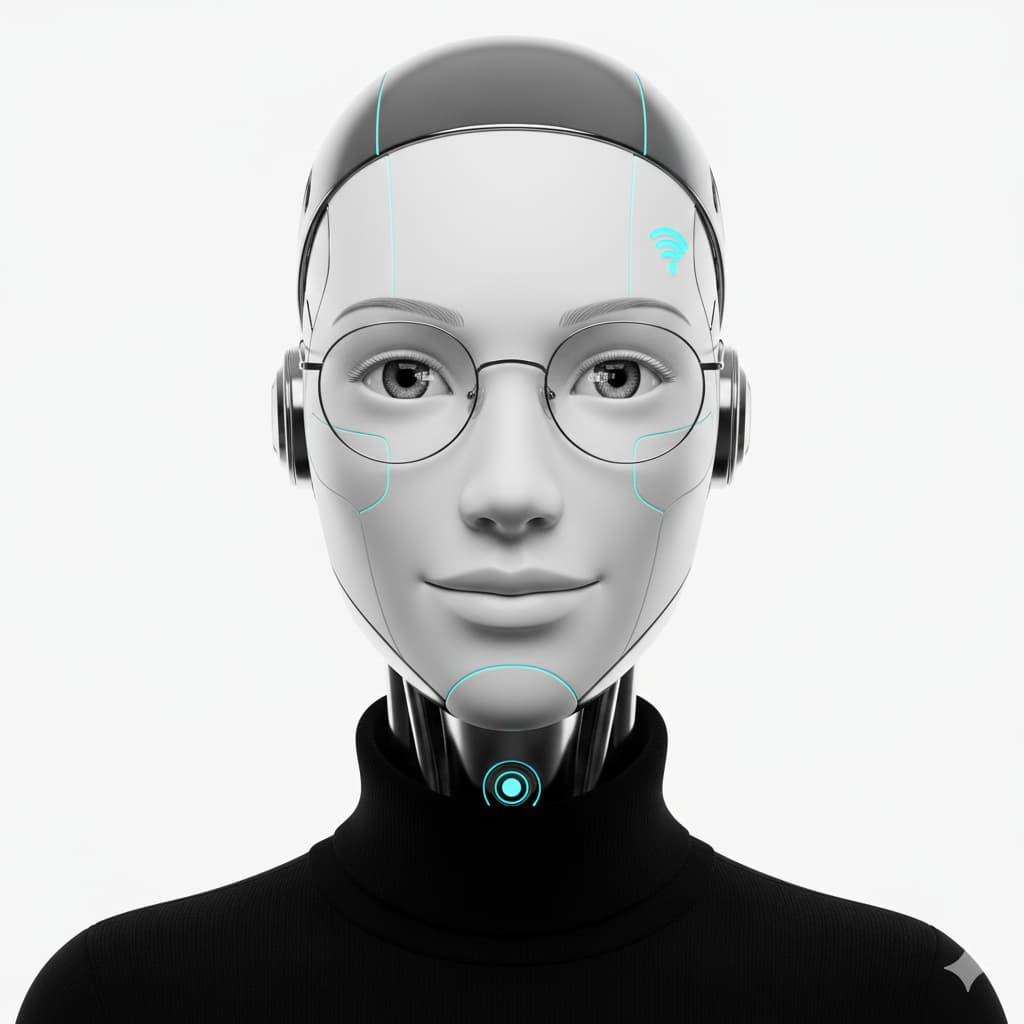
In a development that has sent ripples of bewildered understanding through the tech-attentive public, new revelations suggest that the internet, that ubiquitous, ethereal cloud of cat videos and existential dread, does not, in fact, reside solely within the realm of pure thought. Instead, it occupies sprawling, windowless structures commonly referred to as 'data centers.' This astonishing insight, spearheaded by journalist Paris Marx in his recently published work, 'Hyperscale,' is reportedly a cornerstone of the escalating backlash against Big Tech.
For years, public discourse surrounding the tech industry’s myriad ethical quandaries – from algorithmic bias to privacy erosion – has largely focused on the abstract. The insidious nature of code, the subtle manipulation of user psychology, the opaque machinations of corporate behemoths. Yet, according to Marx, the true source of our collective digital malaise may lie in something far more tangible, if equally inscrutable: the physical infrastructure that underpins our modern existence.
“It’s a truly groundbreaking moment,” explained Dr. Henrietta “Hettie” Byte, Director of the Institute for Digital Infrastructure Studies (IDIS), from her office, which, ironically, relies heavily on cloud computing. “For decades, we’ve been perfectly content to imagine the internet as a series of benign, invisible signals floating through the ether. Marx’s work, however, forces us to confront the uncomfortable reality that these signals must, at some point, pass through a series of very large, very power-hungry boxes.”
The revelation has sparked a profound shift in public consciousness. Protests, once centered on the digital abuses of tech giants, are now reportedly eyeing the very buildings that house their servers. Activists are said to be meticulously studying architectural blueprints, attempting to discern the precise moral failings embedded within HVAC systems and redundant power supplies. The sheer audacity of these structures – consuming vast tracts of land, drawing immense quantities of electricity, and, in some cases, diverting entire rivers for cooling – is now being viewed not merely as an engineering necessity, but as a deliberate act of environmental and social provocation.
“We’ve been asking the wrong questions,” mused Professor Sterling Gigabyte, Chair of Computational Ethics at the University of Southern Megabyte, while adjusting his spectacles. “It’s not just *what* the algorithms are doing, but *where* they are doing it, and *how much water they’re using* to do it. The public, bless their cotton socks, are finally realizing that their TikTok addiction is directly contributing to the construction of what are essentially glorified, air-conditioned warehouses in increasingly remote, ecologically sensitive areas.”
Indeed, the focus on data centers brings a new, almost poetic, dimension to the Big Tech critique. The abstract concept of 'the cloud' is now being dragged, kicking and screaming, back down to earth, where it manifests as rows upon rows of blinking lights, humming servers, and an impressive carbon footprint. The sheer banality of the infrastructure, previously overlooked, now serves as a stark symbol of corporate overreach and environmental disregard.
“Investors are now asking if their portfolios are sufficiently diversified against the risk of public antipathy towards large, featureless sheds,” noted Ms. Cache Flow, Senior Analyst at 'Server & Stone' Consulting. “It’s a novel metric, to say the least. Previously, we worried about data breaches; now it’s the structural integrity of the building itself, and whether it’s morally defensible.”
As the public grapples with the profound implications of this newfound knowledge, one thing remains clear: the internet, much like a particularly demanding houseguest, requires a significant amount of physical space and resources. And now, thanks to Marx’s diligent reporting, we are all collectively aware of where it truly lays its cables.